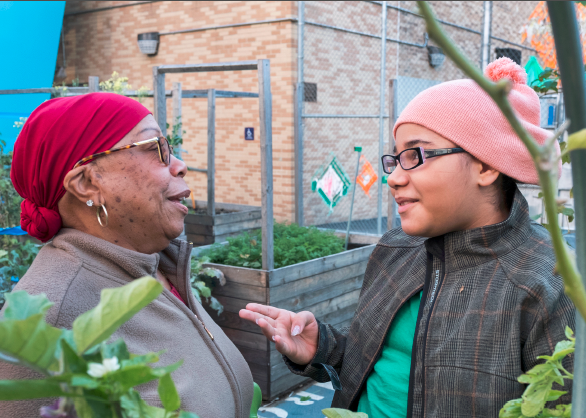
Since the start of the Covid-19 pandemic, much has been said about the efforts of community health advocates (CHAs). From educating people about the vaccine to addressing the fear surrounding the virus, these frontline public health workers serve their communities in meaningful ways, and their impact was visible during the pandemic. But older adults who serve as CHAs are a silent group. It is high time healthcare highlights older CHAs because they bring a unique skill set to their profession and act as peer advocates to older patients.
CHAs are not a new concept in healthcare. Their history in the United States is long and varied, as they have been a rallying voice within public health settings. Globally they are known for their ability to address the unique health and social issues inside their communities. But what is a community health advocate? And what do they truly do? CHAs are motivated and concerned individuals who help improve the overall health of their community. For instance, they can:
- Assist patients in making informed decisions about their health.
- Converse properly with doctors, nurses, and other healthcare providers.
- Coordinate with different organizations to expand their work in cities.
As a key health resource, community health advocates are important in communities and cities across the United States. But we have a long way to go to include and recognize older adults as a valued part of this workforce. Older people as CHAs will change the field in various ways because they can also help older patients. In this case, advocates will be viewed as peers and a significant part of the healthcare journey. They are vital in delivering well-being and health, said Dr. Asangaedem Akpan, a community geriatrician in England. “And with clear guidance on delivering a specific intervention, they can successfully support well-being and health programs at the community level.” So far, the current state of CHAs shows that communities are not capitalizing on the talents of older workers, a major human capital resource within their populations.
*Human capital is defined as the skills, knowledge and experience acquired by an individual that is of value to society.
Older Adults As Peer Advocates
By 2030, all baby boomers will be older than 65. That number will expand the size of the older population so that one in every five residents will be at retirement age. Despite the growing number of older adults, there is little interest in or respect for geriatrics compared to other medical specialties. While the number of fellows recruited into geriatrics programs has remained relatively consistent, the American Geriatrics Society states, “it is not sufficient to fulfill the current and projected demand.” There are currently only 7,300 geriatricians, that is roughly 1.07 geriatricians for every 10,000 older patients. It has unfortunately led to ageism in healthcare settings, where patients have felt devalued, disrespected, or dismissed when talking with doctors and other healthcare professionals. Studies show that one in five adults over 50 report age discrimination in healthcare—from stereotyping older adults to excluding them from most research studies or clinical trials. We need more geriatrics healthcare professionals to enter the workforce. But older CHAs with geriatrics training can also help address this problem. They are valuable resources because of their lived experiences, patient familiarity and trust, and health and social care knowledge. Where elders are often cast aside and deemed unproductive, older CHAs have shown to tackle ageism and improve the lives of older patients.
Older Adults As Dementia-Informed Advocates
Alzheimer’s disease is currently the seventh leading cause of death in the United States and is the most common cause of dementia among older adults. Imagine older CHAs equipped with the knowledge and lived experiences of aging to reduce barriers between patients and healthcare providers. They not only improve quality of care but also address barriers to patient-centered care, focusing on the patient and the individual’s health care needs. Being dementia-informed is a huge opportunity for healthcare, especially when dealing with diverse populations. For instance, CHAs can assist with cultural and language issues by providing culturally tailored health education, interpretation and translation services. They also relate with their patients through sharing a common set of beliefs and shared lived experiences. Additionally, CHAs can signpost those with dementia and their carers on where to go for health and social care intervention and support, said Dr. Akpan. “They can be given clear guidance on identifying older people at risk of getting into a crisis.”
Older Adults As Valuable Resources
When older adults become community health advocates, they bring new perspectives and approaches beneficial to society. Moreover, their wisdom, experience, and empathy can help build positive relationships in the workplace. They can also collaborate with younger advocates or even engage with older populations that are a part of their communities. Studies have shown that baby boomers can aid in improving health care by getting involved in up-and-coming second-career opportunities. Becoming a CHA is an option for boomers because their efforts can help improve quality of life and reduce costs in healthcare. Ultimately the goal is to support older people serving as CHAs because they can improve the support system for at-risk elders and reduce disparities in health and well-being.
Older populations have the potential to play a large role in the future of healthcare, including how patients approach their personal wellness and the health of their families and communities. As our fastest-growing population, they can change the course of action and forge unexpected inroads into community health. Dr. Linda P. Fried, Dean of Columbia University Mailman School of Public Health and director of Robert N. Butler Columbia Aging Center, says: Older adults in an aging society are a dividend. It will require great imagination to envision roles and responsibilities that capitalize on the capabilities of mature minds and match their aspirations to give back and leave the future better than the present.

 Global Health Aging