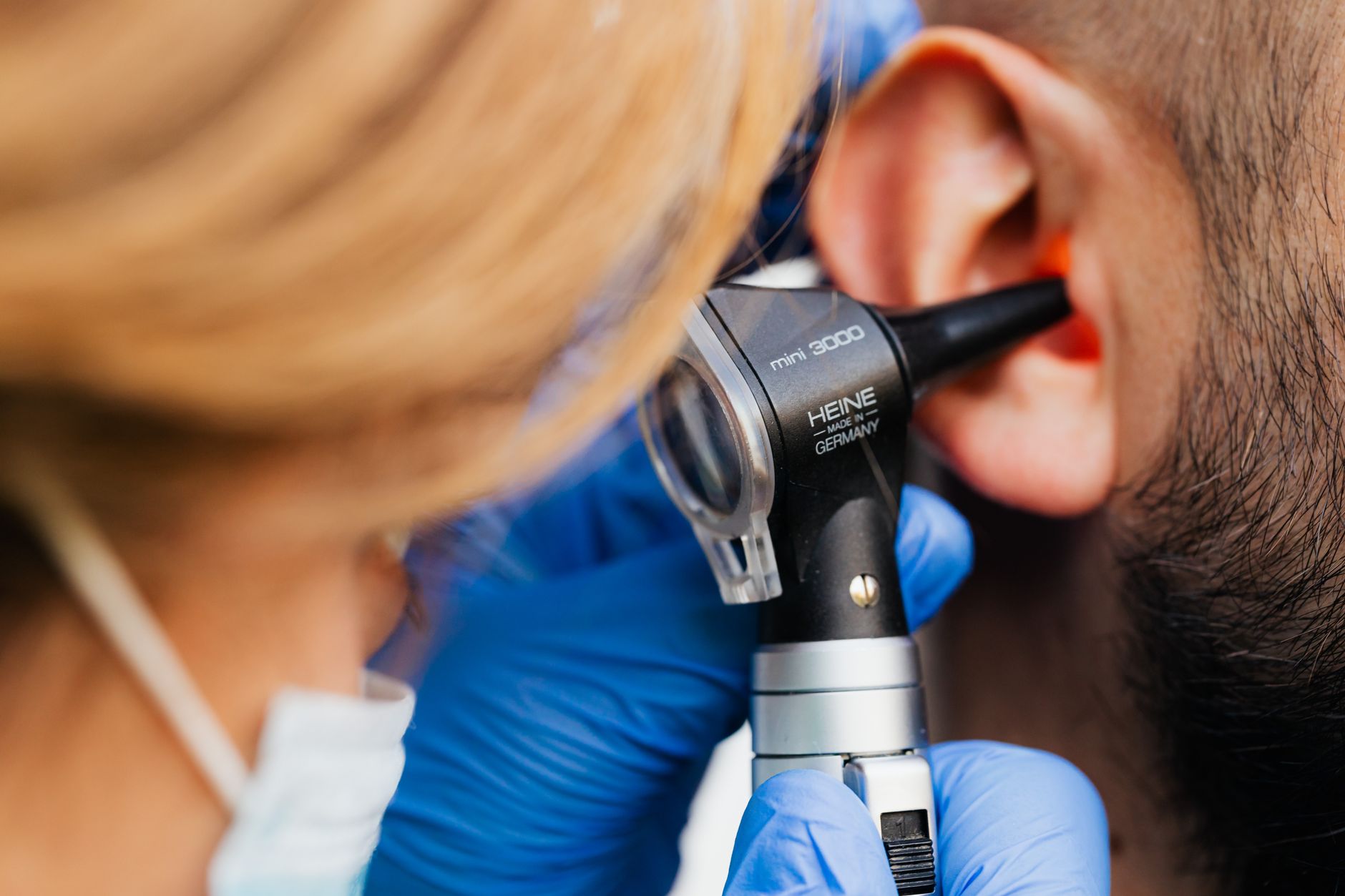
Auditory health affects far more than the ability to follow conversations. The connection between hearing and brain health involves memory, attention and social engagement, all of which can influence how well people function as they age. Because hearing loss often develops gradually, many adults adapt without recognizing how much effort listening requires. Understanding these effects can help you respond earlier and protect everyday quality of life.
The Biological Link to Cognitive Decline
The brain continually interprets sound, separates speech from background noise and connects what it hears with meaning. When auditory signals become weaker or less precise, parts of the brain involved in sound processing receive less stimulation. Researchers are studying whether these changes contribute directly to cognitive decline or share underlying causes with it.
Social isolation may also shape the association. Someone who struggles to hear at family meals, community events or work meetings may participate less often. That withdrawal reduces opportunities for conversation and mental stimulation. Hearing difficulty doesn’t prove that dementia will develop, but it represents a modifiable health concern that deserves attention alongside blood pressure, exercise and sleep.
How Cognitive Load Strains Mental Energy
Unaddressed hearing difficulty can force the brain to devote extra attention to decoding speech. During a restaurant conversation, for example, you may need to piece together incomplete words while filtering clattering dishes and nearby voices. That effort leaves fewer mental resources available for remembering names, following details or forming a response.
Persistent listening effort can lead to fatigue, frustration and avoidance of demanding situations. If this pattern sounds familiar, arrange a professional assessment instead of relying only on volume adjustments. Depending on the results, options such as communication strategies, environmental changes or Unitron hearing aids may help provide clearer access to speech. A qualified hearing care professional can explain which features suit your hearing profile and daily routines.
Modern Devices Built for Natural Sound
Current hearing devices use digital processing to analyze incoming sound and adjust amplification across specific frequencies. Many models can identify speech, reduce steady background noise and use directional microphones to focus on sound coming from the front. Some also connect to phones or other devices for calls and media.
Natural sound depends on accurate fitting. Excessive amplification may feel harsh, while insufficient support can leave speech unclear. Real-ear measurements allow a clinician to check how a device performs inside your ear and compare the output with a prescribed target. Follow-up visits matter because the brain may need several weeks to adjust to sounds that have been absent or muted. Report discomfort, poor speech clarity or feedback so settings can be refined.
Practical Steps for Proactive Care
Schedule a baseline hearing test if you frequently ask people to repeat themselves, raise the television volume or struggle in group conversations. Adults with known exposure to loud environments, persistent ringing or a family history of auditory problems may need more regular monitoring. Sudden hearing changes, one-sided symptoms, dizziness or ear pain require prompt medical attention.
Daily habits also make a difference. Keep personal audio at a comfortable level, take listening breaks and use suitable hearing protection in loud settings. During conversations, reduce competing noise and face the speaker so visual cues remain available. Ask family members to speak clearly without shouting.
Treat hearing devices as health equipment. Clean them as directed, replace filters or batteries on schedule and attend follow-up appointments. Consistent use helps the brain receive stable sound information across different settings.
Auditory changes can be subtle, but their effects often appear in ordinary moments such as missed details during appointments or exhaustion after social gatherings. A hearing evaluation can identify the cause, document a baseline and show whether treatment could reduce the daily effort required to stay connected.


Leave a Reply