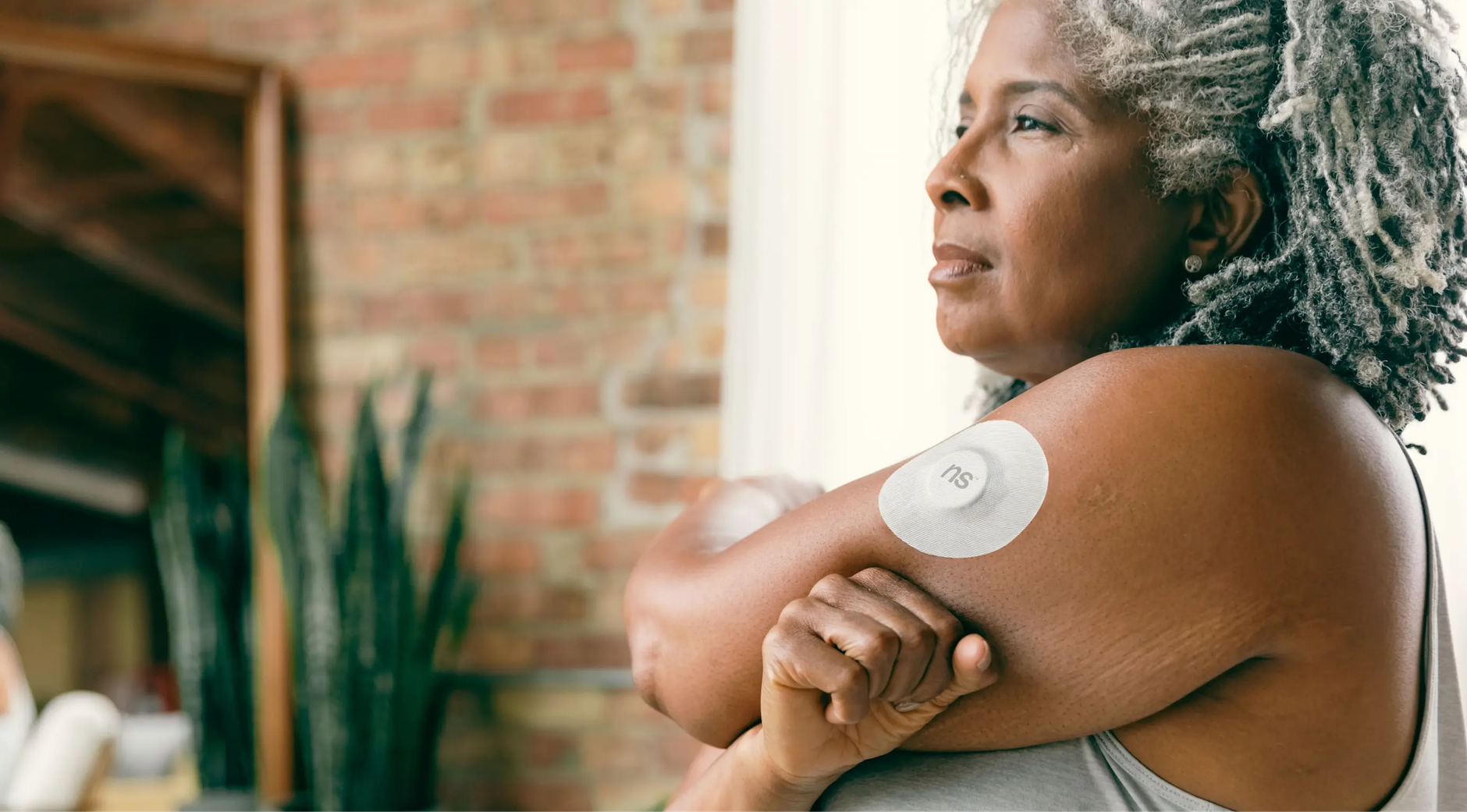
Smart rings can track sleep, watches can flag an irregular pulse, and home sensors can detect changes in daily routines. These tools may support longer independent living, but none can restore joint motion, rebuild strength, or diagnose the source of persistent pain.
Musculoskeletal health shapes a person’s ability to cook, bathe, climb stairs, and recover from a stumble. Longevity technology works best when it reinforces those physical foundations and prompts timely clinical care. Without that connection, a growing stream of health data may create concern without improving mobility.
The Rise of Longevity Tech in the Home
Home-based technology now measures far more than daily step counts. Connected scales track weight trends, motion sensors identify changes in room-to-room activity, and wearable devices estimate sleep duration or recovery after exercise. Some systems can also remind users to take medication or alert family members when normal routines change.
A detailed overview of technology for longevity shows how artificial intelligence, remote monitoring, and digital health tools are becoming part of healthy aging strategies. These products can reveal gradual changes that people might otherwise overlook. A declining step count over six weeks, for example, could reflect worsening knee pain, balance concerns, or fear following a minor fall.
Yet the number on a screen rarely explains the cause. That limitation matters because lower activity can quickly affect leg strength and confidence. Technology can provide an early signal, while a qualified clinician determines what the signal means and what should happen next.
Data Without Clinical Action Solves Nothing
A wearable may report that someone’s walking speed has fallen, but it can’t reliably distinguish joint damage from muscle weakness, a foot problem, or fatigue related to another condition. The useful next step is to connect the observation with symptoms. Note when discomfort occurs, which movements trigger it, and how it affects ordinary tasks.
Persistent swelling, reduced range of motion, pain after an injury, or difficulty bearing weight warrants a medical assessment. For patients in Northern Minnesota, orthopedic care services can provide diagnosis and treatment for conditions that include acute sports injuries, fractures, chronic joint pain, and cases that may require total joint replacement. On-site imaging may also help clinicians investigate structural causes.
Bring a concise record to the appointment. Include two to four weeks of relevant device trends, a medication list, and examples such as, “I now stop twice while climbing one flight of stairs.” Specific functional details give clinicians more useful context than a large, unfiltered data export. Seek prompt care for severe pain, obvious deformity, or an inability to use the affected limb normally.
Pairing Wearables With Hands-On Medical Care
Clinical value emerges when wearable information contributes to a clear care plan. Research and reporting on technology for healthy aging point to the potential for digital tools to support independence, particularly when designers and health professionals focus on older adults’ real needs.
Suppose a watch shows that daily steps have dropped from 5,000 to 2,800 over a month. During an examination, a clinician may assess gait, joint stability, strength, and range of motion. Imaging or other tests might follow if the history and physical findings suggest a structural problem. The resulting plan could involve activity changes, physical therapy, medication, or a procedure.
Wearables can then help track whether the plan is improving function. Step totals alone aren’t enough. A person might walk farther while developing worse pain or poor movement patterns. Pair device measures with practical markers: getting out of a chair without using both hands, carrying groceries safely, or walking for 10 minutes without needing to stop.
This human-centered model echoes an earlier conversation about technology and aging, which considers how innovation can address the needs of an aging population. The strongest tools support care relationships instead of operating in isolation.
Practical Roadmaps for Sustainable Aging in Place
Start with the home tasks that matter most. Identify three activities that support independence, such as using the stairs, stepping into the shower, and preparing a meal. Record your current ability to complete each one, including pain levels, rest breaks, and any need for support. Repeat this check every month to spot meaningful change.
Next, build a simple system around those priorities:
- Choose one or two device measures that relate to function, such as walking time or sleep duration.
- Schedule strength and balance activity suited to your current health and clinical guidance.
- Review footwear, lighting, floor clutter, and frequently used storage areas for avoidable strain or fall risks.
- Set a threshold for seeking care, such as pain lasting more than two weeks or a steady decline in walking ability.
Device accuracy and comfort also deserve attention. A sensor that’s difficult to charge or read will soon end up in a drawer. Check privacy settings, decide who can view the information, and turn off notifications that don’t lead to useful action.
Reassess the plan after illness, a fall, or a noticeable change in mobility. Sustainable aging in place depends on preserving the physical capacity to move through the home safely. The most useful technology makes that capacity easier to observe and helps you recognize when hands-on care should begin.
A dashboard may celebrate a completed activity goal, but the more meaningful result is concrete: rising from a favorite chair, reaching the front door and stepping outside with steady confidence.


Leave a Reply