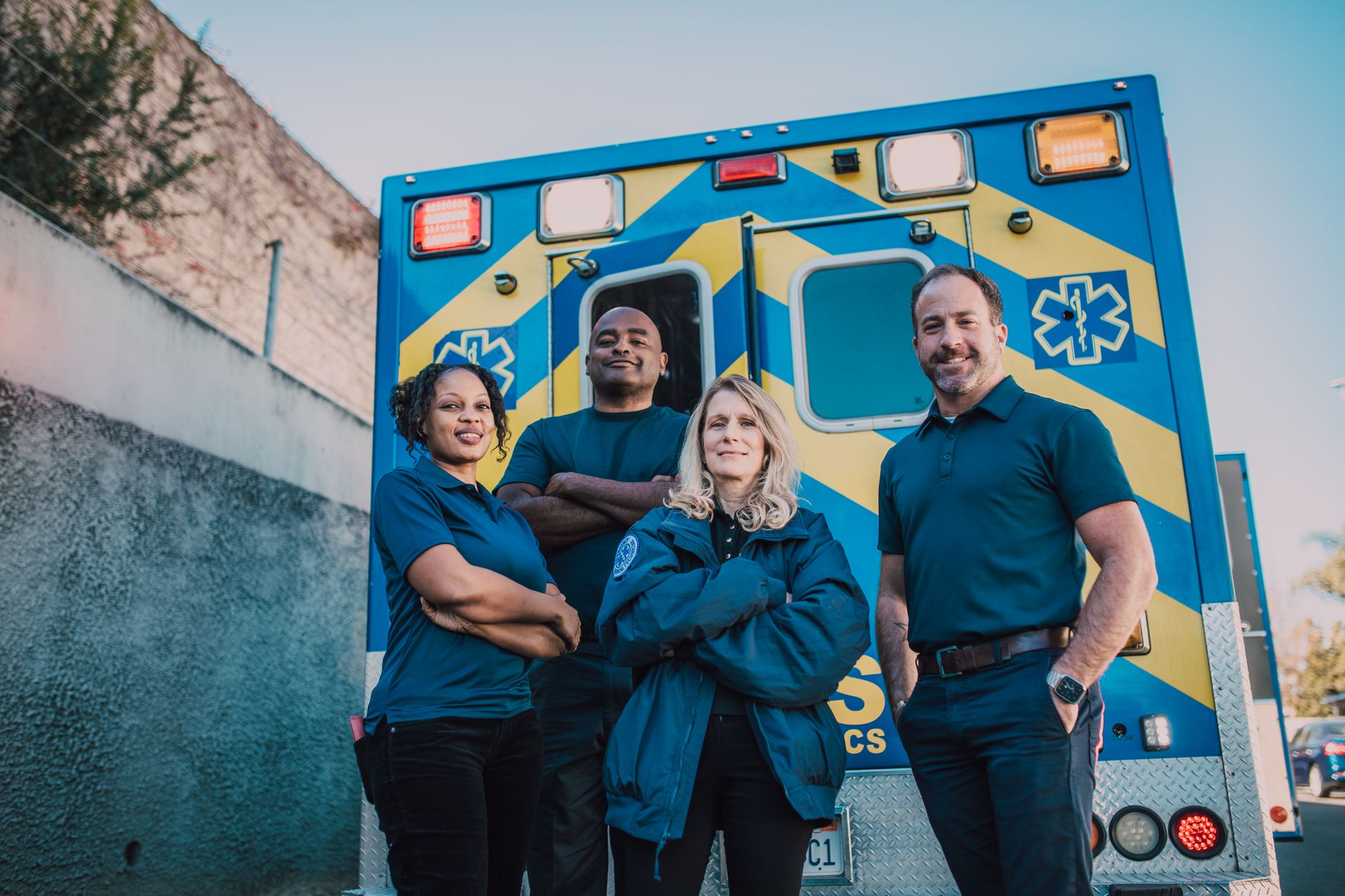
For many older adults, living at home is central to their well-being and dignity. This desire for independence often relies on a network of family, caregivers, and community services. Among these crucial supports, Emergency Medical Services (EMS) play a surprisingly proactive and multifaceted role. Beyond just responding to 911 calls, EMS professionals are increasingly becoming key partners in helping seniors age in place safely and confidently. Their expertise covers everything from immediate crisis management to preventative care, creating a safety net that empowers older adults to maintain their autonomy.
Timely Intervention Matters
When a health crisis hits, a quick and effective response can be the difference between a minor setback and a life-altering event. For an older adult living alone, a fall, a sudden illness, or a complication from a chronic condition needs immediate attention. When EMS personnel arrive promptly, they don’t just provide medical treatment; they also critically assess the situation. They are trained to manage complex health scenarios common in older patients, such as multiple chronic conditions or cognitive impairment. This expertise in EMS in senior emergency care ensures the individual gets appropriate care on the spot, potentially avoiding an unnecessary and disruptive hospital visit. This immediate stabilization is the first line of defense for preserving long-term independence.
Preventing Readmissions and Falls
One of the biggest threats to an older adult’s independence is a cycle of hospitalizations. After a hospital stay, returning home can be risky, with medication errors, new mobility challenges, and a higher chance of falling. EMS teams can play a big part in breaking this cycle. Some programs include post-discharge follow-up visits from paramedics who check the home for hazards. They can spot tripping risks like loose rugs, poor lighting, or a lack of grab bars in the bathroom. By fixing these issues and making sure the patient understands their discharge instructions and medication regimen, EMS helps in fall prevention and independence preservation. This proactive approach directly reduces the chance of another trip to the hospital.
Community Paramedicine’s Role
Community paramedicine represents a modern and impactful shift in emergency services. This model moves paramedics from a purely reactive role to a proactive one within the healthcare system. Community paramedics work with local health organizations to provide in-home care for non-emergency situations. For older adults, this can include:
- Regular wellness checks
- Managing chronic diseases like diabetes or heart failure
- Medication reconciliation and education
- Post-hospitalization follow-ups
This consistent, in-home support helps seniors manage their health before it becomes a crisis. It also builds trust, making them more likely to seek help early. This expanding field is creating new and rewarding careers in emergency medical services for people passionate about community health and direct patient impact. By offering scheduled, preventative care, community paramedics fill a critical gap between doctor visits and emergency calls, empowering seniors to stay healthy at home.
Building Skills for Critical Care
Caring for older adults demands a specialized skill set. Geriatric patients often present unique challenges, including atypical symptoms, frailty, and complex medical histories. For example, confusion could come from a simple infection, dehydration, or a medication side effect, rather than a more obvious cause. EMS providers receive ongoing training to recognize these subtleties. They learn to perform comprehensive geriatric assessments, communicate effectively with patients who might have hearing or cognitive impairments, and handle delicate situations with empathy and respect. This advanced training ensures that when an emergency does happen, the response is tailored to the older patient’s specific needs, leading to better outcomes and a greater chance of returning to an independent life.
Enabling a Fulfilling Later Life
EMS support goes beyond emergency treatment by helping older adults maintain independence and confidence. Knowing reliable help is available can ease anxiety and allow seniors to stay active, socialize, and manage daily life more comfortably.
As EMS becomes more integrated with community health services, it plays an increasingly important role in helping older adults live safely and independently.


Leave a Reply