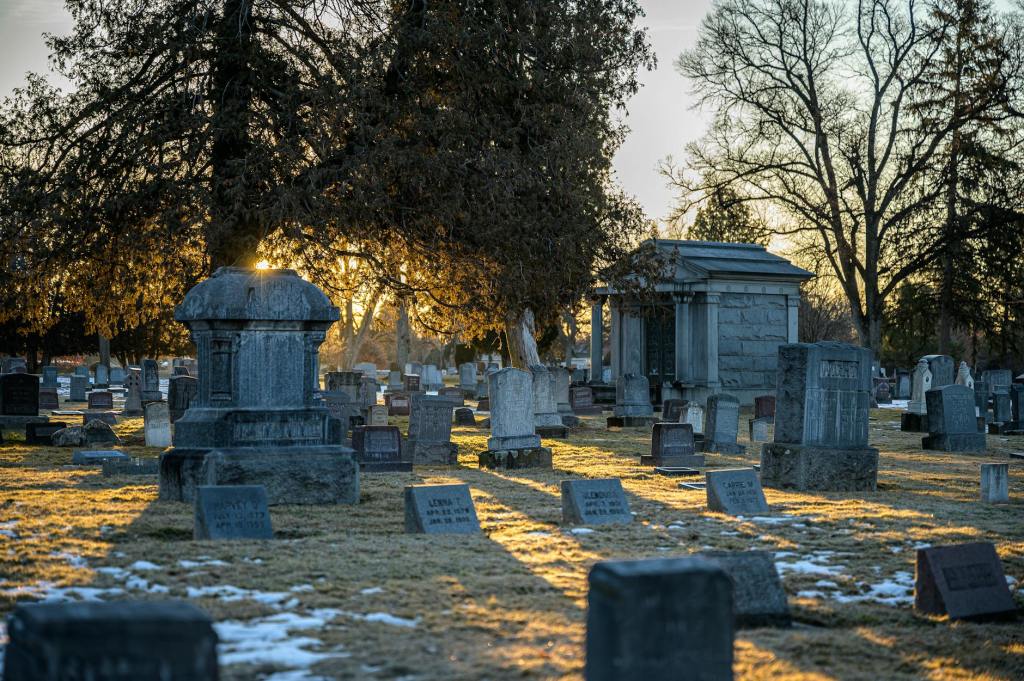
Traditional Burials
Traditional burials involve embalming the body with formaldehyde based chemicals which can leach into the soil and groundwater. Conventional cemeteries require a lot of land which is often maintained with pesticides and fertilizers. Coffins and vaults also consume natural resources and energy. So many are looking for greener options that have minimal ecological footprint.
Green Burials
Green burials or natural burials are designed to have minimal environmental impact. In a green burial the body is not embalmed and is buried in a biodegradable coffin or shroud. This allows the body to decompose naturally and return nutrients to the soil and promote new growth. Green cemeteries use native plants and no vaults or non-biodegradable markers further reducing their impact.
Green burials are becoming more popular as people want to connect with nature in death as they did in life. They offer a sense of peace and continuity knowing that one’s remains will be part of the natural cycle.

Cremation: A Popular Option with Environmental Issues
Cremation is another alternative to traditional burials. While it addresses the land use issue of conventional cemeteries it has its own environmental problems. The process of cremation involves burning of the body which releases carbon dioxide and other pollutants into the air. The energy required for cremation is also significant.
To reduce the impact some crematoriums have adopted more energy efficient technologies and emission controls. Also options like water cremation (alkaline hydrolysis) are emerging as more sustainable alternatives. Water cremation uses a combination of water and alkaline chemicals to break down the body resulting in a smaller carbon footprint than traditional flame based cremation.
Forest Burials: Back to Nature
One of the most innovative and nature centric alternative burial options is forest burial. This involves interring ashes or bodies in protected forest areas so individuals can become part of a living ecosystem. Companies like Better Place Forests offer the option to have a memorial tree planted in memory of a loved one creating a lasting tribute that supports forest conservation.
Forest burials offer a way to honor the deceased while being sustainable. These natural memorials provide a peaceful and lasting connection to nature for those who want to leave a positive legacy for future generations.
Resomation: A Gentle Option
Resomation also known as alkaline hydrolysis or water cremation is a relatively new and eco friendly burial option. The process involves placing the body in a pressurised vessel with a mixture of water and potassium hydroxide. The combination of heat, pressure and chemicals accelerates the natural decomposition process resulting in a liquid solution and bone ash. The bone ash can be returned to the family just like traditional cremation.
Resomation is more environmentally friendly than traditional burials and cremations as it uses less energy and produces less emissions. It’s gaining popularity as a gentle and sustainable option for those who want to reduce their footprint.
Human Composting: Turning Life into Soil
Human composting also known as natural organic reduction is an innovative process that turns human remains into nutrient rich soil. The body is placed in a vessel with organic materials like wood chips, straw and alfalfa. Over several weeks microbial activity breaks down the body resulting in a cubic yard of soil that can be used to plant trees or enrich gardens.
This process is legal in a few states in the US and is hailed for its ecological benefits. It sequesters carbon and doesn’t use harmful chemicals aligns with the principles of sustainability and conservation.
Choosing the Right One
When considering alternative burial options, you need to weigh personal beliefs, environmental values and logistics. Each option has its own benefits and challenges and what’s right for one person may not be right for another.
Also stay informed about the latest developments and regulatory changes in the field of sustainable burials. Resources like Global Health Aging has valuable information and updates on eco-friendly practices and innovations.
Final Thoughts
Alternative burial options provide a meaningful and sustainable way to honor our loved ones while reducing our footprint. From green burials and forest memorials to water cremation and human composting these options align with our desire to live and die in tune with nature. As awareness and acceptance of these options grows, they will create a future where death is not just a time of mourning but a time to give back to the earth.
 Global Health Aging
Leave a comment